Product compatibility
Dry, oily, acidic, aromatic or chemically sensitive products can require different contact and barrier layers.


Flexible Packaging
Stand-up, lay-flat, flat-bottom, quad-seal, sachet and rollstock formats—specified around product compatibility, barrier, filling conditions, shelf-life goals and production volume.
Have a current pouch, dieline or material specification? Send what you have. If some of the details are still open, we can help organize the next questions.
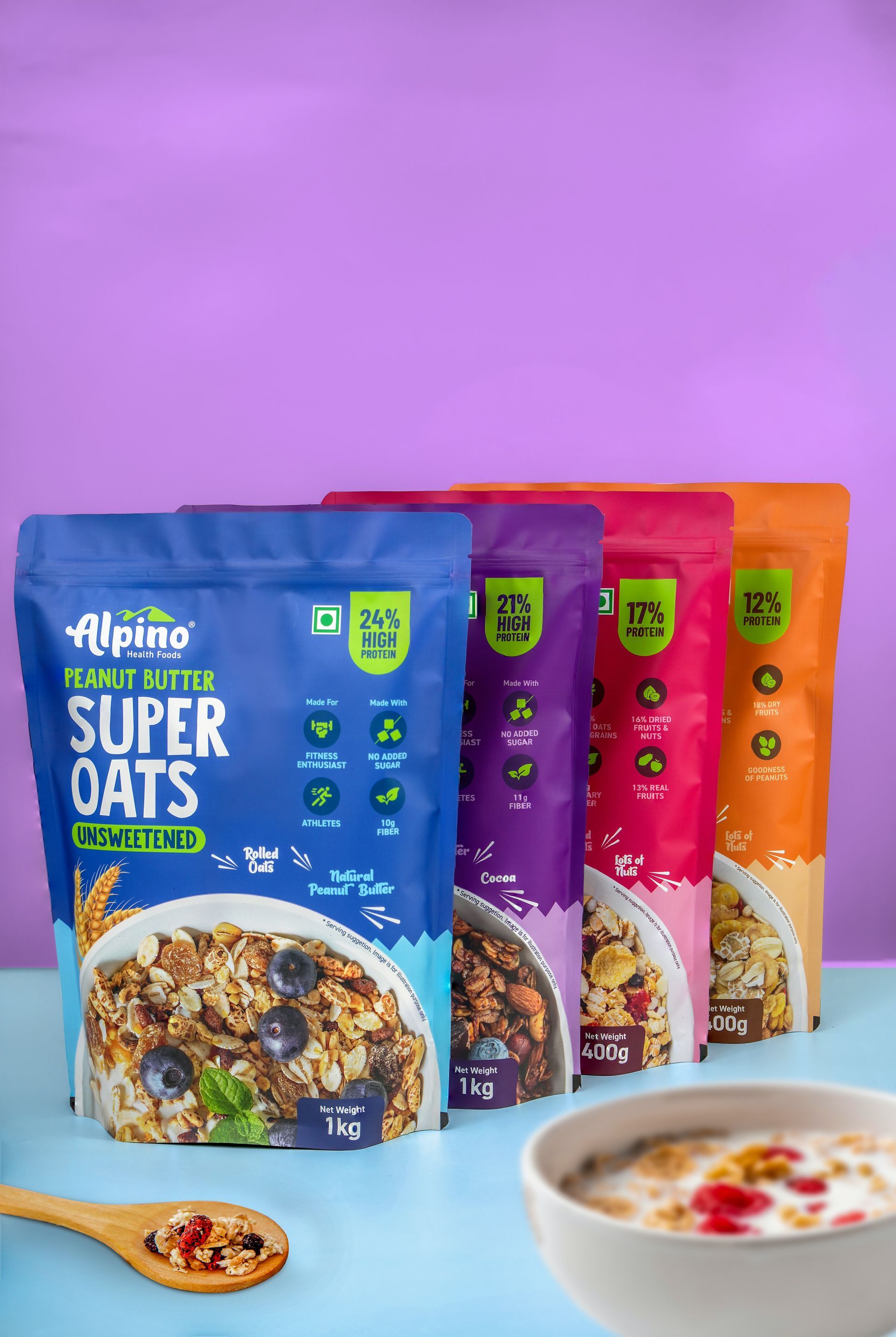
Start With the Application
Appearance matters, but it is only one part of the specification. The product, filling process, distribution environment and expected shelf life should guide the construction.
Dry, oily, acidic, aromatic or chemically sensitive products can require different contact and barrier layers.
Moisture, oxygen, light, aroma and grease protection should reflect the product and shelf-life objective.
Fill temperature, sealing equipment, seal window and line speed can affect the appropriate construction.
Ambient, refrigerated, frozen, e-commerce and retail environments place different demands on a package.
Seal strength, puncture resistance, stiffness, drop performance and reclosure all influence the final specification.
Total volume, quantity per SKU, reorder frequency and artwork versions help determine the production approach.
Formats
If you already have a preferred format, we can begin there. If not, the product, fill weight, shelf presentation and equipment requirements can help narrow the direction.
Bottom-gusseted pouches for strong shelf presentation, with reclosure and display features available where appropriate.
Compact finished pouches suited to samples, portions, inserts and products that do not require a standing base.
A stable, box-style format with multiple printable panels and a more structured retail presentation.
Expanded capacity and defined side panels for products that need greater volume or a more structured package shape.
Small-format packaging for samples, single uses, measured portions and on-the-go applications.
Preprinted film supplied for compatible form-fill-seal equipment, specified around web direction, repeat and sealing needs.
Child-resistant packaging should be reviewed as a specific package and closure system. Product category, applicable requirements, test documentation and the intended use must be considered before a claim is made.
Structure & Performance
A flexible structure may combine printable, barrier and sealant layers, each serving a different purpose. We review the available information before recommending a starting construction or matching an existing one.
Clear, white, metallized, foil and specialty appearances can be evaluated alongside the functional needs of the package.
Final product compatibility, filling performance and shelf-life expectations should be validated with the actual product and process.
Print & Program Planning
The appropriate production approach depends on the structure, total volume, number of versions, color requirements, tooling and schedule. We look at the program as a whole before narrowing the path.
Review of dielines, print direction, seal and zipper areas, white support, spot colors, barcodes and supplied color targets.
Quantities per version, common structures, shared sizes and reorder plans can materially affect the most efficient approach.
Any plates, cylinders, dies or one-time charges should be identified before approval, along with the production starting point.
Availability depends on the format, structure, product requirements and production method.
A Clear Working Process
Established specifications can move directly into review and pricing. New applications may require more development before production.
Product, format, dimensions, fill information, quantity, versions, destination and required timing.
Structure, features, production approach, tooling, proofing plan and any open technical questions.
Dieline and artwork review, color expectations, electronic proof and physical sample options when requested.
Production begins after the required approvals and material confirmation, followed by packout and delivery.
Selected Work
These examples show different applications and shelf presentations. Samples can be requested when a closer review of materials and construction would be helpful.
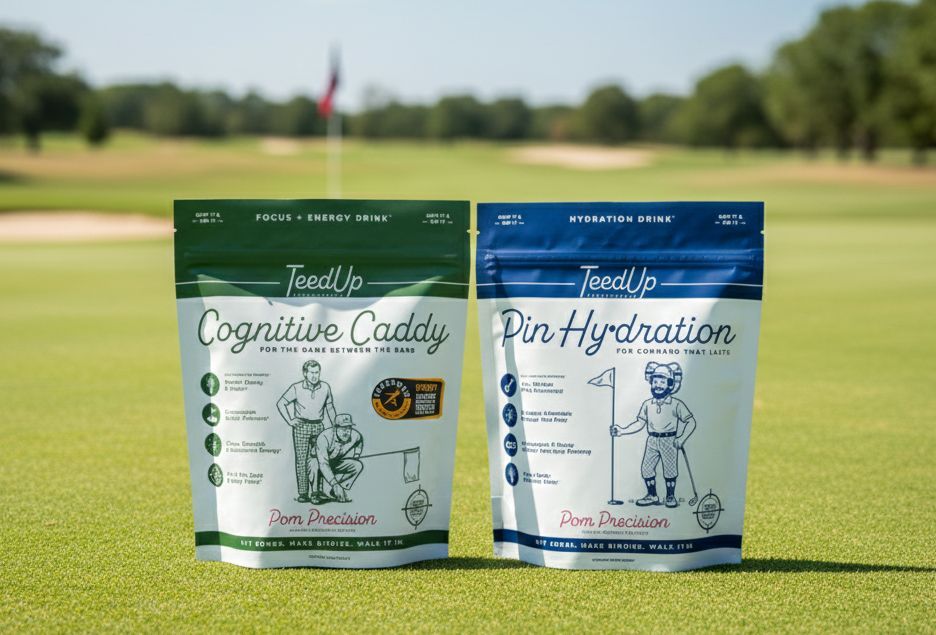
Related products presented consistently while keeping each version distinct.
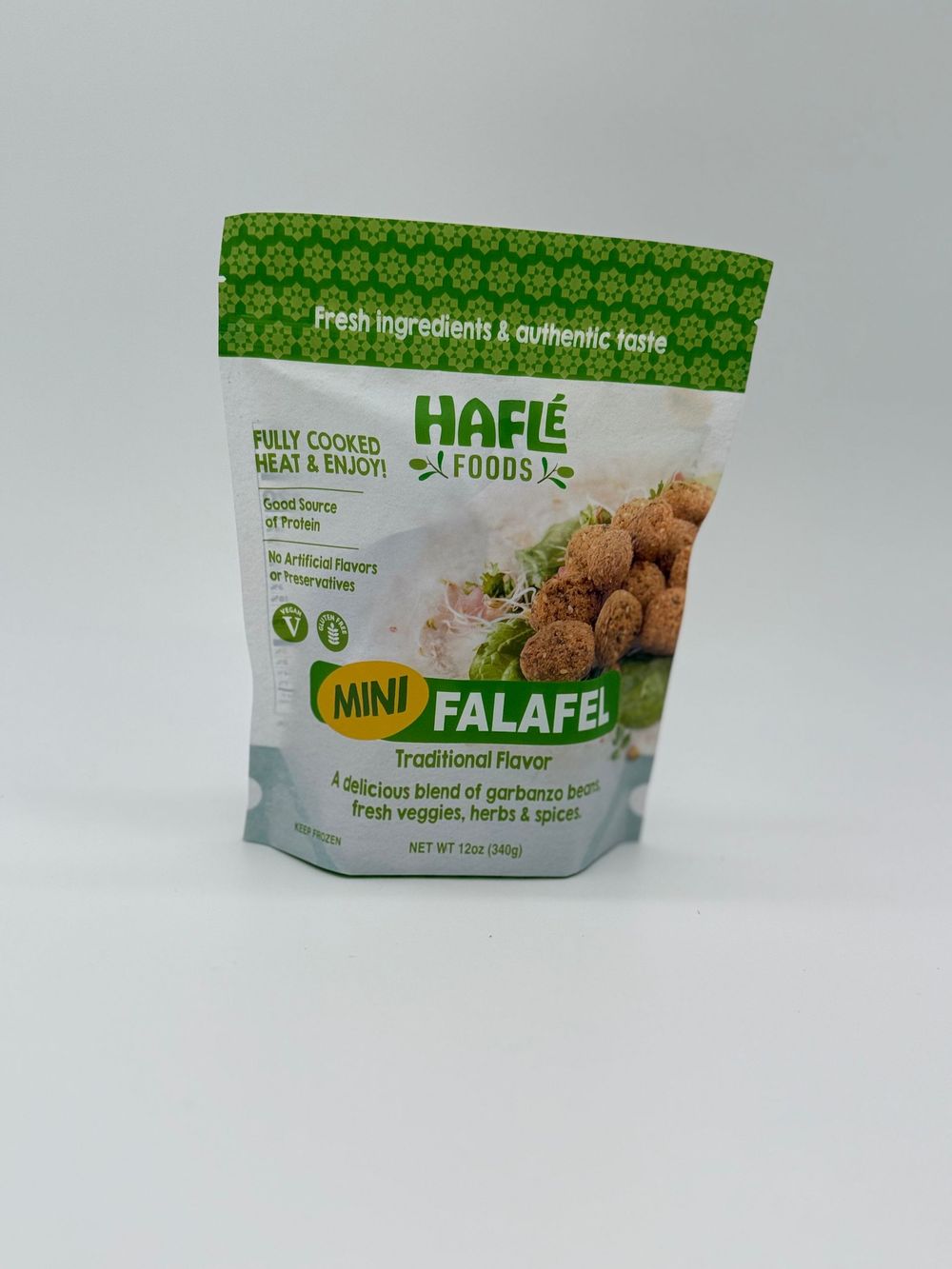
A finished stand-up format designed around product presentation and package function.
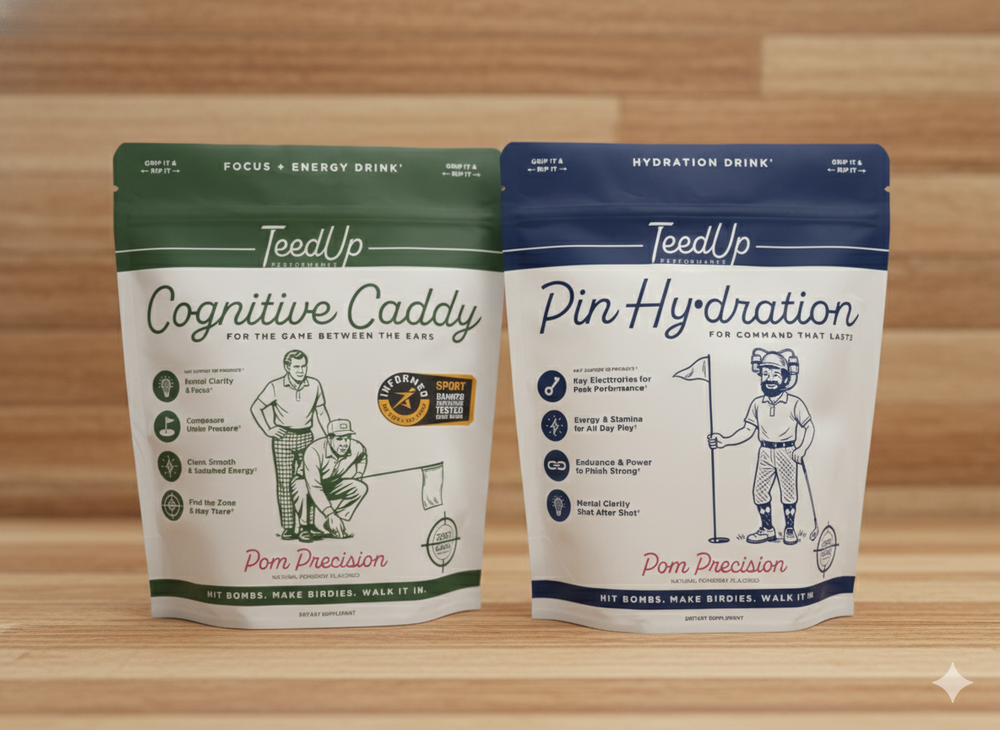
Print, format and finish working together to support a coordinated retail presence.
Preparing a Quote
Complete information is welcome, but it is not required to begin. If you are moving an existing package, a current specification, dieline or physical sample is usually the best starting point.
Common Buyer Questions
Yes, an existing structure, dieline and finished sample can be reviewed as the starting point. If an exact match is unavailable, any proposed alternative should be identified before production.
Often, yes. The answer depends on common size and structure, quantity per version, total program volume, print method and changeover requirements. Include every SKU when requesting pricing so the program can be evaluated together.
Electronic artwork proofs are commonly used for content and position. Color proofs, unprinted samples, prototypes or production-material samples may be available depending on what needs to be evaluated. The proofing plan should be defined before approval.
Structure availability, tooling, print method, pouch conversion, quantity and current production capacity all affect timing. Lead time should be confirmed for the specific project and normally begins after the required approvals and material confirmation.
Yes. Share the product, filling conditions, package size, desired shelf life, distribution environment, functional features and expected volume. That information creates a more useful starting point for a material recommendation.
A complete specification is helpful, but not necessary. Send the information you have and we will help identify what is still needed.