Format & page count
Finished dimensions, content length, orientation and how the piece will be read. Identify the interior pages and cover separately.


Multi-page printing
Publications, booklets, workbooks and calendars produced around your content, audience and specifications. We help work through the paper, printing, finishing and delivery details.
Have a complete specification? Send it as it is. Still working through the details? We can help.
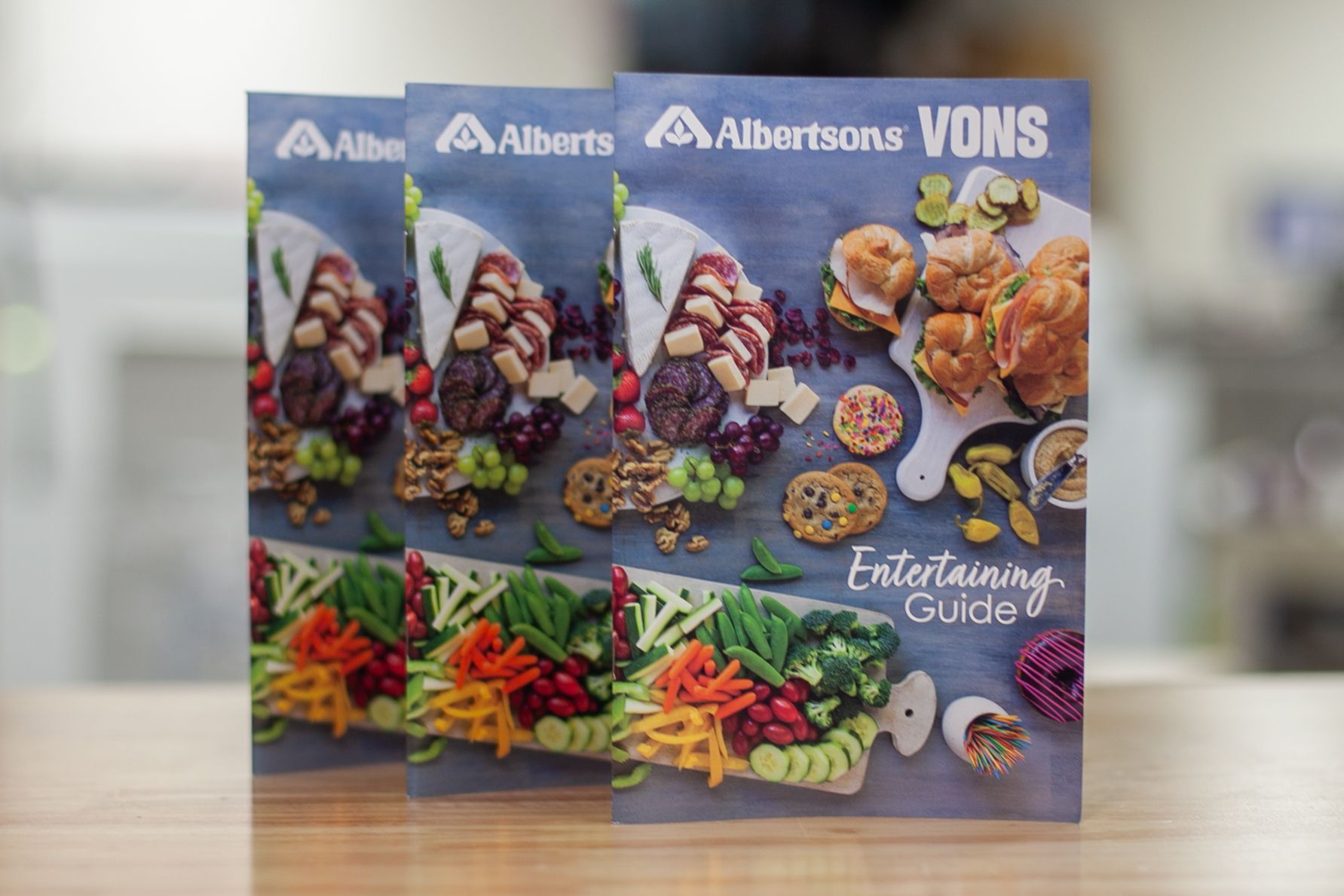
What we print
From a seasonal catalog to a working reference manual, the choices should suit the piece and the people using it.
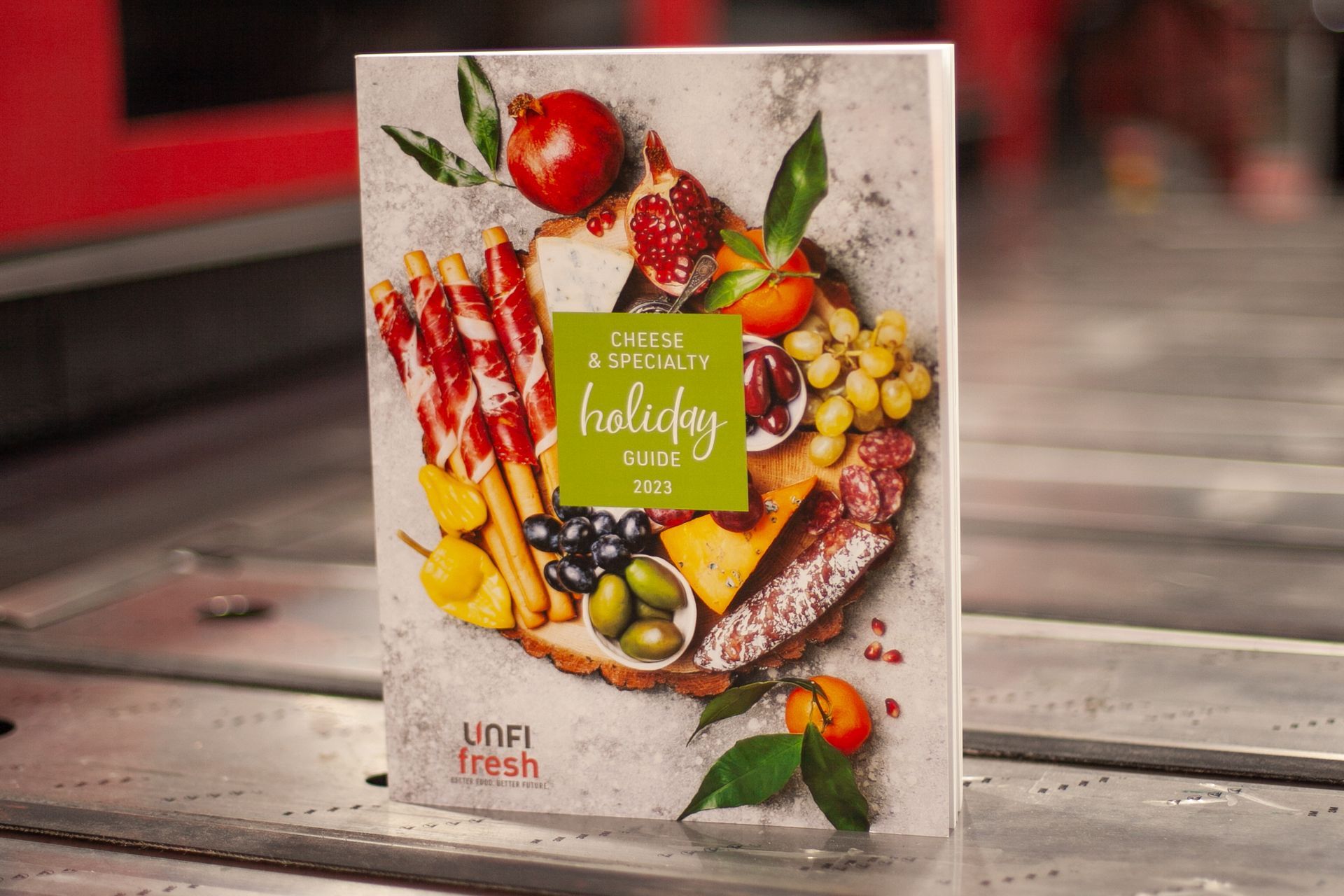
Product catalogs, seasonal guides, event programs and lookbooks. Paper, color and format selected for the content and how it will be distributed.
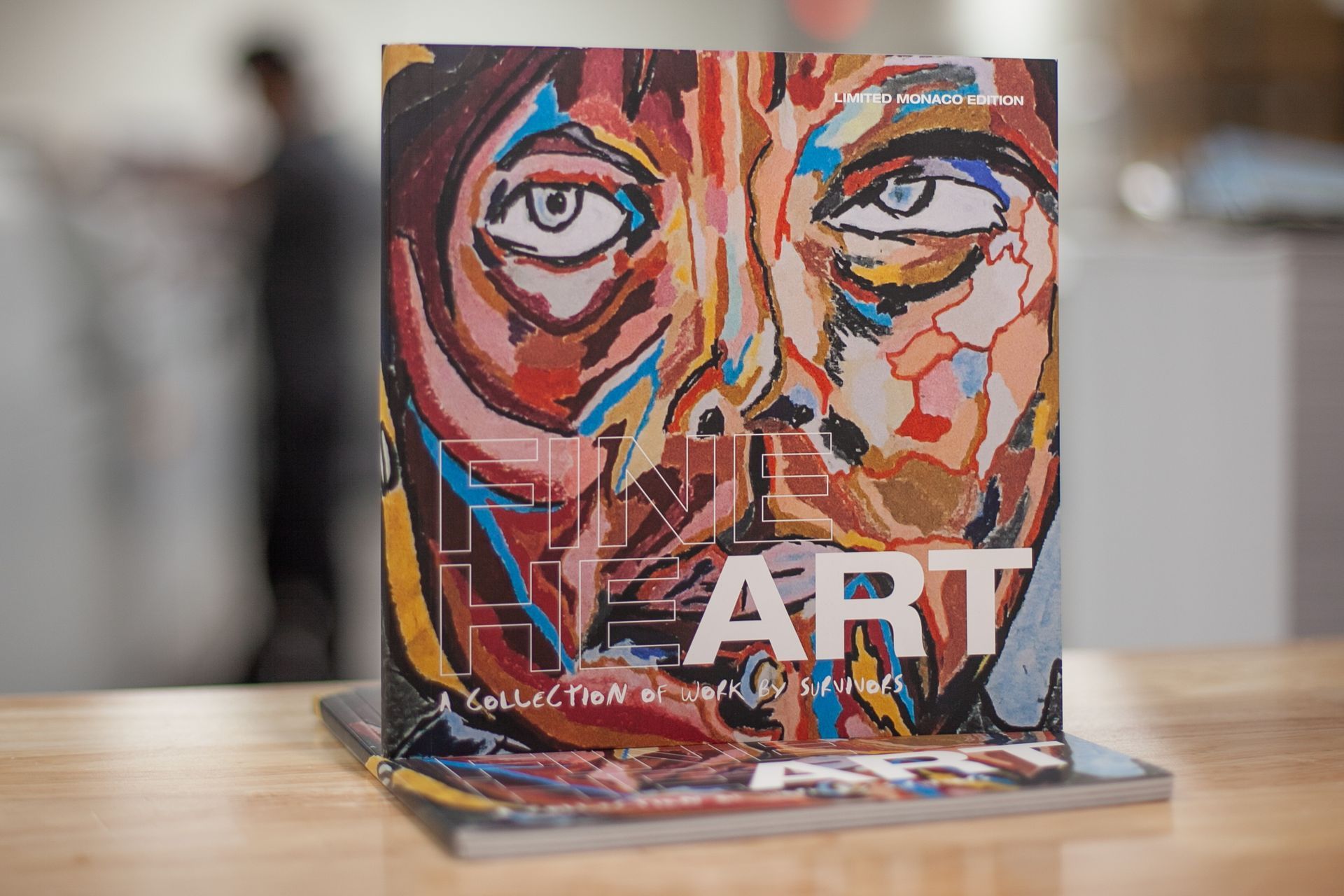
Softcover books, company publications, reports and longer-form pieces, with cover and interior specifications worked through together.
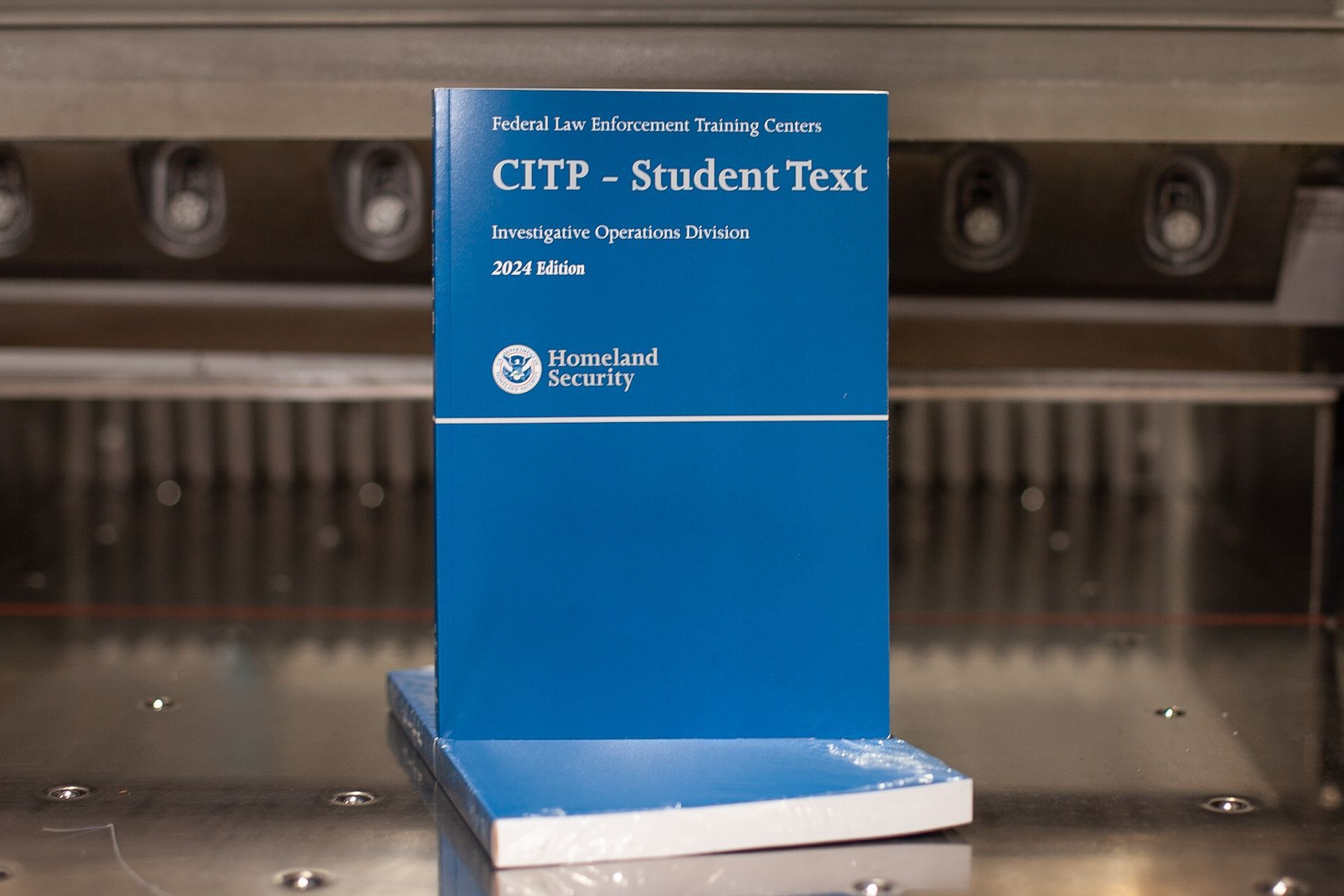
Training, reference and learning materials. Tell us how they will be handled, written in, organized or updated.
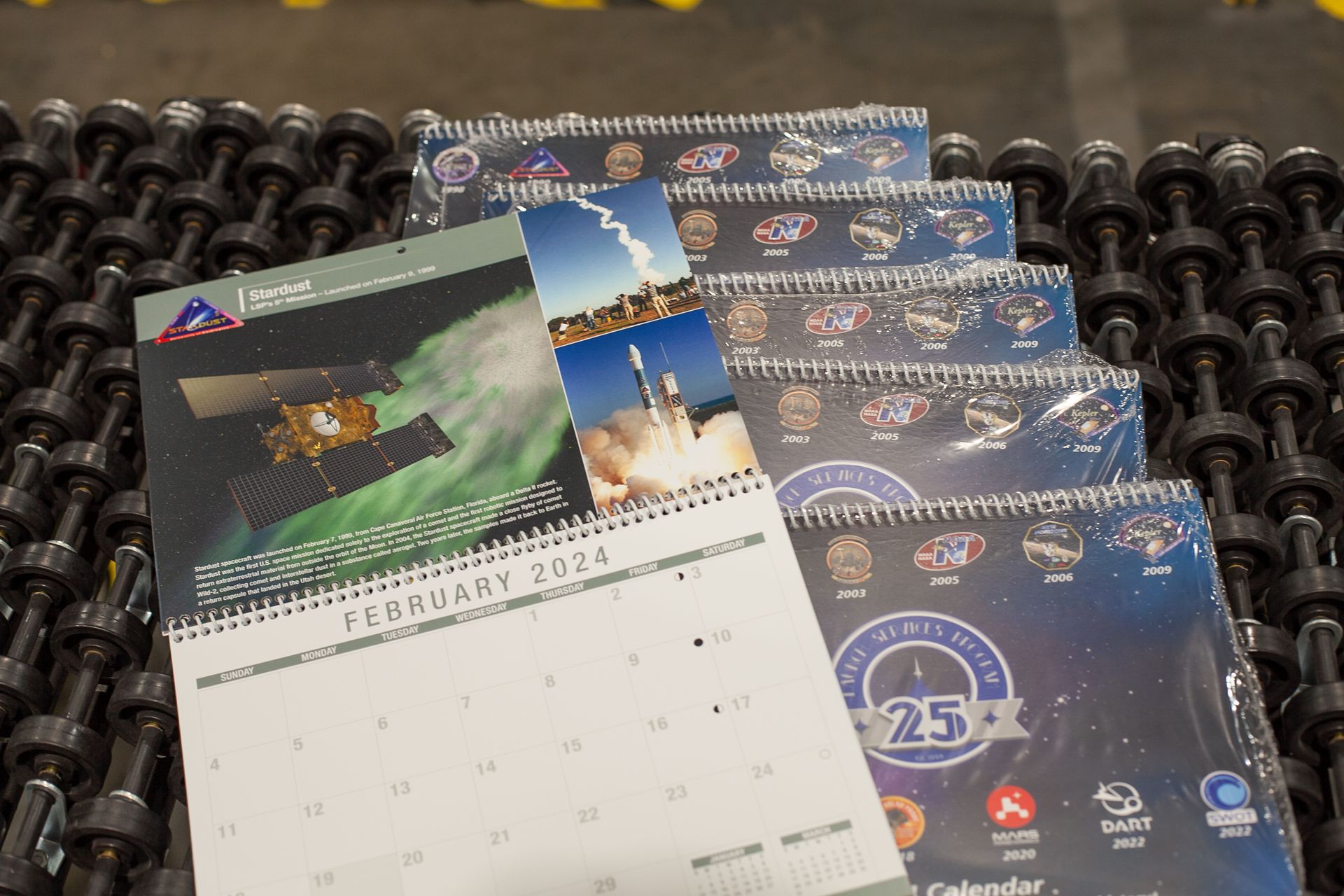
Wall calendars, desk calendars and planning pieces, with page layouts and construction suited to the way they turn, stand or hang.
Plan the finished piece
Size, paper, print, cover and quantity all affect the finished result. Bring us your specifications, or the decisions you still need to make.
A helpful reference
See the basic differences below. Open an option for a closer look and practical details.
Folded sheets nest together and are held by wire staples through the center fold.
Before you design: Plan in four-page increments. Paper thickness, finished size and how the booklet needs to close determine the practical page capacity.
Pages are glued into a wraparound soft cover, giving the book a clean, square spine.
Before you design: Confirm paper and page count before designing the spine. Standard / EVA and PUR are adhesive options. PUR can provide a more flexible, stronger bond for certain papers and uses. It does not automatically make the book lay flat.
A rigid cover surrounds the bound pages, creating a substantial finished book.
Before you design: Review the cover wrap, spine, hinges and end sheets before preparing artwork. Printed wraps, cloth, foil and dust jackets can be discussed for the project. A hardcover alone does not guarantee flat opening.
Pairs of metal loops pass through punched holes along the edge of the pages.
Before you design: Leave space for the punched edge. Metal loops can bend if compressed, so packing and handling matter. Wire-O has paired loops, unlike a single continuous spiral.
A flexible plastic spiral threads continuously through holes along the binding edge.
Before you design: Keep text and important images clear of the punched edge. The flexible coil is useful for repeated handling. Confirm the binding edge and cover requirements before laying out the pages.
A construction selected to let facing pages open flatter across the center of the book.
Before you design: Discuss the required opening behavior before choosing paper and page count. Several constructions are possible; availability, artwork setup and the result are confirmed for the project. The illustration is a representative example.
Illustrations show typical constructions. Paper thickness, size and page count affect suitability. Other methods, including sewn binding, screw posts and metal spiral, can be reviewed for the project.
Artwork & production planning
A few details make estimating and file preparation easier. We can review what is confirmed and help with what is still open.
File setup & templatesFinished size · Quantity · Page count · Paper · Printing · Cover and finishing · Versions · Delivery requirements
Count every side as one page, including intentional blanks. Tell us whether your count includes the cover. For example, “24 interior pages + a 4-page cover” is clear. Folded, saddle-stitched booklets are planned in four-page increments.
Supply the interior as individual pages in reading order, unless we request a different setup. A perfect-bound or case-bound cover needs its own confirmed template, including the spine and any required hinges or wrap.
For standard book interiors, extend artwork 0.125 in. beyond trim wherever it reaches an edge, unless your job instructions specify otherwise. Allow extra room at the inside or punched edge. Confirm the required allowance before placing important text or images.
Share the intended use, size, approximate page count and quantity. A reference piece or available sample can help us work through the paper, cover and finishing choices. Confirm the final paper and page count before designing a book spine.
Let’s work through the details
A finished specification, a previous piece or the details you know so far. A real person will review the project with you.
661.220.5213
customercare@execuprint.com
Monday–Friday · 8am–5pm Pacific
Los Angeles 818.993.8184
Bentonville, Arkansas
479.653.5595
Family-owned. Thoughtful work. Personal care. Our purpose & story
© 2026 Execuprint, Inc. All rights reserved. Security & Privacy